
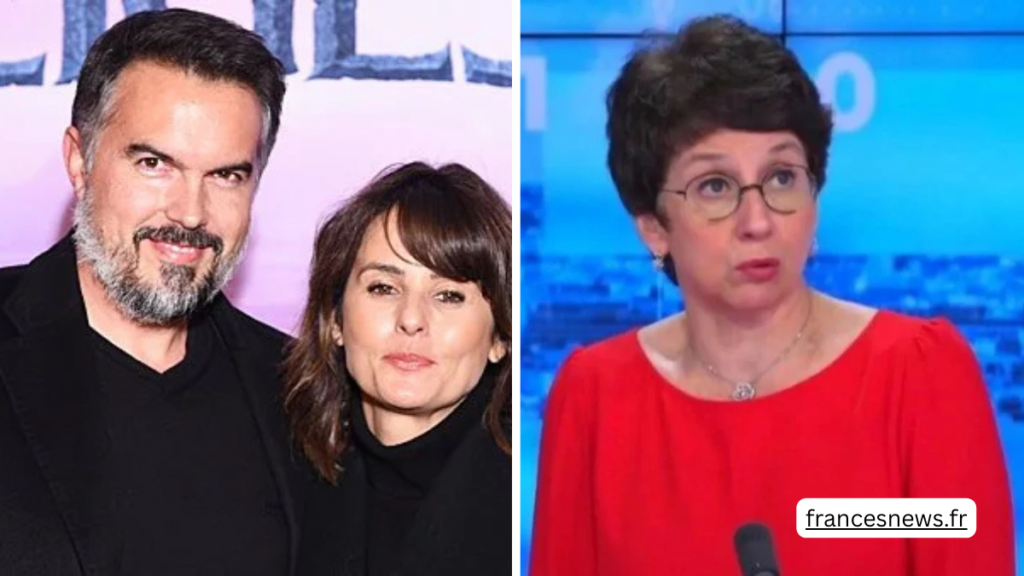

The story of modern creative leadership is often told through movements, institutions, or industries, yet individual figures frequently shape cultural direction more profoundly than trends themselves. Among those influential personalities, jean marie faraggi represents a compelling example of how artistic sensitivity, strategic thinking, and intellectual curiosity can intersect to produce lasting impact. His work reflects a broader transformation in how creativity, media, and cultural identity interact in contemporary society.
This comprehensive guide explores the life, philosophy, professional influence, and enduring relevance of jean marie faraggi through an expert lens. Designed as an authoritative resource, the article examines historical context, creative methodology, professional contributions, and the lessons modern creators and thinkers can draw from his legacy.
Early Life and Intellectual Foundations
Creative trajectories rarely emerge in isolation, and the formative environment surrounding jean marie faraggi played a significant role in shaping his perspective. Early exposure to artistic expression, cultural dialogue, and intellectual exploration nurtured an approach grounded equally in observation and experimentation. These early influences encouraged curiosity rather than conformity.
Rather than following a single discipline, he developed a multidisciplinary mindset that blended visual culture, storytelling, and conceptual thinking. This openness allowed him to interpret artistic practice not merely as production but as communication, setting the stage for later innovation and cross-sector influence.
Cultural Context That Shaped His Vision
The cultural climate during his developmental years emphasized transformation across media, technology, and artistic identity. Shifting boundaries between traditional and contemporary art encouraged creators to rethink established frameworks, fostering experimentation and collaboration.
Within this environment, jean marie faraggi absorbed emerging philosophies that valued interpretation over imitation. Cultural hybridity became central to his worldview, enabling him to navigate evolving artistic landscapes while maintaining a clear personal voice.
Defining Creative Philosophy
At the heart of his work lies a philosophy centered on meaning rather than spectacle. Creativity, in his view, serves as a dialogue between creator and audience, where interpretation holds equal importance to intention.
This philosophy positioned artistic output as an evolving conversation rather than a finished object. By embracing ambiguity and layered symbolism, he encouraged audiences to actively participate in understanding creative work rather than passively consuming it.
The Role of Storytelling in Artistic Identity
Storytelling became a defining element of his approach, extending beyond narrative structure into emotional resonance and cultural commentary. Each project aimed to communicate an experience rather than merely present aesthetics.
Through storytelling, jean marie faraggi demonstrated how visual and conceptual language could evoke memory, identity, and collective imagination. This emphasis allowed his work to transcend stylistic trends and remain intellectually engaging across different audiences.
Professional Evolution and Career Development
Career progression often reveals how creative philosophies translate into real-world practice. Early professional experiences allowed experimentation with diverse formats, from collaborative projects to independent initiatives that tested new conceptual directions.
As opportunities expanded, jean marie faraggi refined his ability to merge artistic intuition with organizational understanding. This balance enabled sustainable creative growth, proving that artistic success often depends as much on strategic awareness as talent.
Influence Across Creative Disciplines
One defining aspect of his legacy is interdisciplinary reach. Rather than limiting himself to a single medium, he explored intersections between visual arts, communication design, and cultural production.
Such versatility demonstrated that creativity thrives at boundaries rather than within rigid categories. His work encouraged professionals to embrace hybrid roles, anticipating the multidisciplinary expectations now common in contemporary creative industries.
Artistic Methodology and Process
Creative methodology often reveals deeper insights than finished outcomes. His process emphasized research, reflection, and iteration, treating experimentation as an essential phase rather than a risk.
Ideas were refined through dialogue and critique, ensuring conceptual clarity before execution. This disciplined approach reinforced the idea that innovation results from structured exploration rather than spontaneous inspiration alone.
Balancing Tradition and Innovation
Modern creators frequently struggle between honoring tradition and pursuing originality. His work illustrated how historical awareness can strengthen innovation instead of restricting it.
By reinterpreting established artistic languages through contemporary perspectives, jean marie faraggi demonstrated that innovation often emerges from reinterpretation rather than rejection of the past.
Collaboration as Creative Strategy
Collaboration played a central role in expanding creative possibilities. Working alongside diverse professionals introduced new perspectives that challenged assumptions and enriched outcomes.
These collaborations emphasized mutual learning rather than hierarchy, reflecting a belief that creativity flourishes when ideas circulate freely. Collaborative practice became both a method and a philosophy guiding long-term projects.
Impact on Contemporary Creative Culture
Creative influence extends beyond individual works into broader cultural behavior. His contributions encouraged audiences and professionals alike to reconsider how creativity functions within society.
Through intellectual engagement and artistic experimentation, jean marie faraggi helped redefine creative practice as a socially connected activity rather than an isolated pursuit.
Communication and Visual Language
Visual communication formed a cornerstone of his professional identity. Projects often explored how imagery conveys emotion, ideology, and cultural narratives simultaneously.
This nuanced understanding of visual language allowed him to craft experiences that resonated across linguistic and geographic boundaries, reinforcing creativity as a universal mode of expression.
Leadership and Creative Direction
Leadership within creative environments requires balancing artistic freedom with cohesive vision. His leadership style emphasized mentorship, dialogue, and shared ownership of ideas.
Rather than imposing authority, jean marie faraggi fostered environments where experimentation felt safe and productive. Such leadership models have since influenced contemporary creative management practices.
Navigating Industry Transformation
Rapid technological change reshaped creative industries during his career, demanding adaptability and foresight. He approached transformation as opportunity rather than disruption.
By embracing evolving tools and platforms, he demonstrated how creators could maintain authenticity while adapting to digital and cultural shifts, ensuring continued relevance in changing markets.
Key Themes Found Throughout His Work
Recurring themes provide insight into artistic intention. Exploration of identity, perception, and cultural memory consistently appeared across projects, connecting individual works into a cohesive intellectual framework.
These themes allowed audiences to engage with deeper questions about belonging and interpretation, positioning his output within broader philosophical discourse rather than isolated artistic trends.
Comparative Influence Across Creative Domains
The following table highlights how his influence manifested across different areas of creative practice, illustrating the breadth of impact associated with jean marie faraggi.
| Creative Domain | Core Contribution | Lasting Influence | Modern Application |
|---|---|---|---|
| Visual Arts | Conceptual storytelling | Audience engagement models | Multimedia exhibitions |
| Communication Design | Narrative-driven visuals | Brand authenticity strategies | Experience design |
| Cultural Production | Collaborative frameworks | Interdisciplinary projects | Creative ecosystems |
| Education & Mentorship | Idea-centered learning | Creative leadership models | Design education |
| Media Innovation | Adaptive methodologies | Digital storytelling | Cross-platform content |
This comparison demonstrates how his ideas transcended singular achievements, shaping broader professional practices still visible today.
Audience Engagement and Interpretation
Audience interaction formed a critical component of his creative thinking. Rather than dictating meaning, projects invited viewers to form personal interpretations shaped by their own experiences.
This participatory model anticipated modern interactive culture, where audiences expect engagement and dialogue instead of one-directional communication.
Philosophy of Creative Responsibility
Creative expression carries ethical dimensions, particularly when addressing social or cultural themes. His philosophy emphasized awareness of impact alongside artistic freedom.
He believed creators should consider context and consequence, encouraging thoughtful engagement with audiences while preserving authenticity and experimentation.
Educational Influence and Mentorship
Education represented another avenue through which his ideas spread. Mentorship initiatives helped emerging creators develop confidence in their individual voices.
Through teaching and dialogue, jean marie faraggi contributed to cultivating future generations capable of navigating complexity within creative industries.
Misconceptions About Creative Success
A common misconception portrays creative achievement as sudden recognition or singular genius. His career instead demonstrated gradual evolution shaped by persistence and reflection.
Success emerged from sustained curiosity and adaptability, challenging simplified narratives about talent and emphasizing the importance of continuous learning.
The Role of Identity in Creative Work
Identity functioned both as subject and method within his projects. Personal and collective narratives intertwined, creating work that felt simultaneously intimate and universal.
By examining identity through artistic exploration, jean marie faraggi encouraged audiences to reconsider how culture and individuality influence perception.
Adaptation in the Digital Era
The transition into digital environments introduced new possibilities for storytelling and distribution. He approached digital transformation not as replacement but as expansion of creative language.
Digital platforms allowed experimentation with interaction, temporality, and audience participation, reinforcing the evolving relationship between creator and viewer.
Critical Reception and Public Interpretation
Critical responses often highlighted the intellectual depth underlying his work. Reviewers noted the balance between accessibility and conceptual sophistication.
Public interpretation varied widely, reflecting the openness intentionally embedded within projects. This diversity of response became evidence of successful engagement rather than misunderstanding.
A Quote That Reflects His Creative Outlook
One frequently cited perspective captures the essence of his philosophy:
“Creativity is not about providing answers; it is about opening spaces where questions can exist.”
This idea encapsulates how jean marie faraggi positioned art as inquiry, encouraging exploration instead of definitive conclusions.
Lessons for Modern Creators
Modern professionals can draw valuable lessons from his approach, particularly the importance of adaptability and interdisciplinary thinking. Creative careers increasingly demand flexibility and conceptual clarity.
His example demonstrates that sustainable creativity requires both imagination and structure, blending emotional insight with strategic awareness.
Long-Term Cultural Legacy
Legacy is measured not only by works produced but by ideas that continue influencing future generations. His contributions persist through methodologies adopted across creative communities.
As industries evolve, the principles associated with jean marie faraggi remain relevant, offering guidance for navigating uncertainty while maintaining artistic integrity.
The Continuing Relevance of His Work
Contemporary audiences increasingly seek authenticity and meaning within creative experiences. His emphasis on dialogue, interpretation, and cultural reflection aligns closely with these expectations.
The continued relevance of his work demonstrates how deeply rooted creative philosophies can transcend technological change and shifting cultural trends.
Conclusion
The journey explored throughout this article reveals a figure whose influence extends far beyond individual achievements. Through interdisciplinary exploration, philosophical depth, and collaborative practice, jean marie faraggi helped redefine how creativity operates within modern culture.
His legacy serves as a reminder that meaningful creative work emerges from curiosity, reflection, and engagement with the world. For artists, designers, thinkers, and cultural leaders alike, his story offers both inspiration and practical insight into building work that resonates across generations.
FAQ
Who is jean marie faraggi?
Jean marie faraggi is recognized as a creative thinker and cultural contributor whose interdisciplinary work blends artistic philosophy, communication, and modern creative practice.
Why is jean marie faraggi considered influential?
Jean marie faraggi is influential because his ideas reshaped how creativity connects storytelling, collaboration, and audience participation within contemporary cultural environments.
What defines the creative philosophy of jean marie faraggi?
The philosophy of jean marie faraggi centers on interpretation, dialogue, and meaning, encouraging audiences to engage actively with creative experiences rather than consume them passively.
How does jean marie faraggi impact modern creative industries?
Jean marie faraggi impacts modern industries through interdisciplinary thinking, leadership approaches, and adaptable creative methodologies widely applied today.
What lessons can creators learn from jean marie faraggi?
Creators can learn from jean marie faraggi the importance of curiosity, collaboration, and balancing innovation with thoughtful cultural awareness.


