
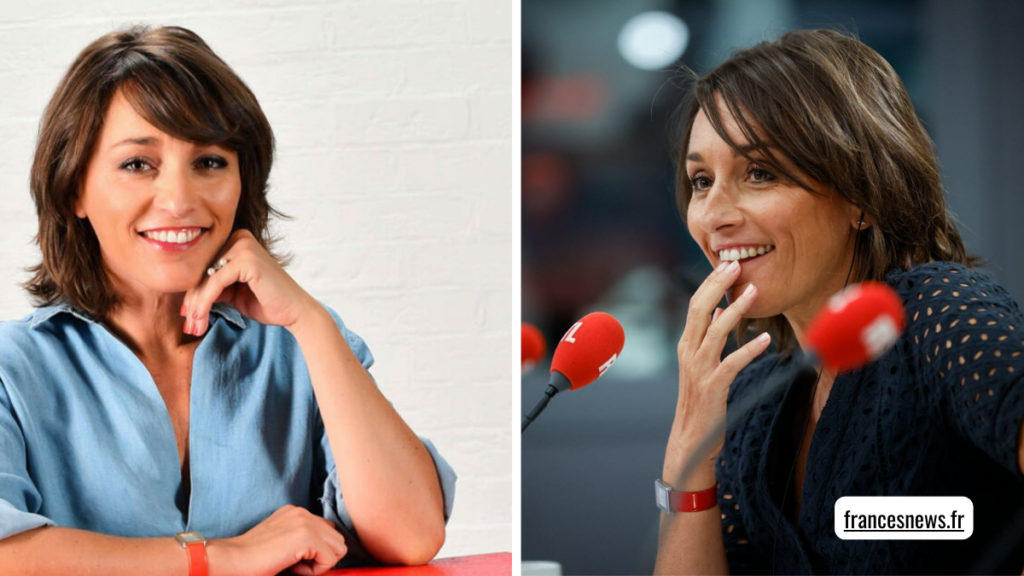

Amandine Bégot: Career, Influence, and Media Legacy
Few figures in contemporary French journalism combine credibility, composure, and consistency the way Amandine Bégot does. Known for her sharp interviewing style and authoritative on-air presence, she has become a recognizable voice in France’s political and media landscape. Her trajectory reflects both personal discipline and the evolving demands of 24-hour news culture.
This in-depth guide explores her biography, career milestones, editorial philosophy, broadcasting style, media impact, and long-term influence. Whether you’re researching French news personalities, studying broadcast journalism, or simply curious about her professional journey, this is the definitive authority resource.
Early Life and Educational Foundations
Amandine Bégot was born on March 21, 1977, in France, growing up during a period when French media was expanding its political coverage and investigative depth. This environment shaped her intellectual curiosity and early interest in public affairs.
She pursued formal journalism training at the prestigious Centre de formation des journalistes, an institution known for producing high-caliber reporters and broadcasters. That academic grounding provided both theoretical depth and practical newsroom discipline.
Entry into Journalism and First Reporting Roles
Her early professional years were rooted in radio journalism, a medium that demands precision, vocal clarity, and rapid adaptation. Radio sharpened her ability to structure information efficiently without visual reinforcement.
Those formative experiences built a foundation of credibility and speed under pressure. It is here that Amandine Bégot developed the concise, structured delivery style that would later define her television presence.
Rise Through National Radio Platforms
She became widely recognized during her tenure at RTL, one of France’s most influential radio stations. Hosting and contributing to political segments, she engaged directly with policymakers and national figures.
Her work in morning news programming placed her at the center of real-time political dialogue. Radio listeners began associating her voice with authority and calm, especially during high-stakes national developments.
Transition to Television Broadcasting
The shift from radio to television marked a pivotal phase in her career. Moving to BFM TV, she adapted seamlessly to a visually driven format.
Television required not only editorial command but also visual composure. Amandine Bégot demonstrated a poised presence that enhanced viewer trust during breaking news cycles.
Editorial Style and Interview Technique
Her interviewing style is defined by clarity, preparation, and firm but respectful questioning. She avoids sensationalism while maintaining accountability.
This approach aligns with modern European broadcast standards that prioritize structured dialogue over performative confrontation. It reflects journalistic integrity rather than personality-driven spectacle.
Coverage of Political Affairs
French political reporting demands nuance, especially in a country with layered party systems and strong public debate traditions. Amandine Bégot consistently navigates this complexity with composure.
Her interviews with ministers, party leaders, and policy experts illustrate balanced framing. She ensures clarity without oversimplifying intricate legislative or economic issues.
Notable Media Milestones
Throughout her career, she has anchored major news segments during elections, government reshuffles, and national crises. These moments tested not only editorial judgment but real-time adaptability.
Her visibility during pivotal events strengthened her standing within French media. Audience recognition grew alongside institutional trust.
Role in Shaping Public Discourse
Television journalists often influence national dialogue by framing questions and structuring debates. Amandine Bégot contributes to this dynamic through precise topic selection.
By focusing on policy substance rather than personal drama, she reinforces the value of fact-based journalism in public discourse.
Professional Reputation Within French Media
Among peers, she is regarded as disciplined and meticulously prepared. Consistency is a hallmark of her professional identity.
Media professionals often emphasize preparation as the invisible backbone of successful broadcasting. Her career exemplifies that principle.
Comparison with Contemporary French Journalists
Below is a structured overview comparing Amandine Bégot’s profile with other high-visibility French broadcast journalists:
| Category | Amandine Bégot | Prime-Time Debate Host | Investigative Field Reporter |
| Primary Medium | Radio & TV | TV Studio | Field Reporting |
| Interview Style | Structured, Analytical | Confrontational | Investigative |
| Focus Area | Politics & Current Affairs | Political Debate | Investigations |
| Tone | Calm, Precise | Provocative | Analytical |
| Audience Perception | Trustworthy & Balanced | Dynamic & Polarizing | In-Depth & Technical |
This comparison highlights her balanced positioning within the broader ecosystem of French journalism.
Impact of 24-Hour News Culture
The rise of continuous news cycles changed newsroom dynamics dramatically. Anchors must maintain composure while processing rapid developments.
Amandine Bégot operates effectively in this environment, balancing speed with verification. That equilibrium distinguishes seasoned professionals from reactive commentators.
Digital Media and Online Presence
Modern journalists extend influence beyond television through digital platforms. Social media, streaming clips, and online commentary amplify visibility.
While maintaining professional restraint, Amandine Bégot’s media presence contributes to broader public engagement with current affairs content.
Audience Trust and Credibility Factors
Trust in journalism has fluctuated globally, making credibility a defining asset. Clear sourcing and consistent tone build long-term viewer confidence.
Her steady demeanor reinforces perceptions of reliability. In broadcast journalism, emotional neutrality often strengthens authority.
Gender Representation in French Media
Women in French broadcast journalism have increasingly occupied high-profile roles. Amandine Bégot’s visibility contributes to broader representation.
Her success underscores how competence and authority transcend outdated industry biases.
Work Ethic and Professional Discipline
Behind polished broadcasts lies rigorous preparation. Research, briefing documents, and editorial coordination require sustained focus.
Her disciplined preparation explains the seamless delivery audiences experience on screen.
The Evolution of French Political Journalism
French political journalism has evolved from formal studio debates to multi-platform engagement. Real-time analysis and interactive formats now dominate.
Amandine Bégot’s career reflects this shift, demonstrating adaptability across media formats.
Communication Clarity in Complex Topics
Explaining economic reform, legislative shifts, or international diplomacy requires simplification without distortion.
Her ability to clarify complex policy demonstrates intellectual precision.
Public Perception and Media Analysis
Media analysts often emphasize her calm authority during volatile political discussions. That stability enhances viewer retention.
Audience perception is built gradually through consistent performance.
Professional Philosophy
A well-known newsroom principle states, “Journalism is printing what someone else does not want printed; everything else is public relations.” This quote by George Orwell reflects the accountability dimension of reporting.
Amandine Bégot’s approach aligns with that principle through structured questioning and evidence-based dialogue.
Influence on Aspiring Journalists
Young journalists often look to established anchors for inspiration. Her trajectory illustrates how radio foundations can lead to national television prominence.
Consistency, preparation, and credibility remain transferable lessons across media generations.
Challenges in Modern Broadcasting
Misinformation, polarized audiences, and algorithmic amplification complicate newsroom dynamics. Journalists must filter noise while maintaining speed.
Amandine Bégot’s steady format reflects disciplined navigation of these pressures.
International Perspective
While primarily rooted in French media, her coverage often addresses international politics and European affairs.
This global perspective reinforces the interconnected nature of modern journalism.
Career Longevity and Future Outlook
Sustained relevance requires adaptation without compromising credibility. Anchors who endure maintain both flexibility and standards.
Amandine Bégot’s professional consistency suggests continued influence in French political media.
Conclusion
Amandine Bégot represents the modern archetype of disciplined broadcast journalism in France. Her journey from radio reporting to national television demonstrates how preparation, clarity, and composure create lasting credibility.
In an era defined by speed and noise, her steady editorial approach reinforces the enduring value of balanced reporting. As French media continues to evolve, her career stands as a case study in adaptability, authority, and journalistic integrity.
Frequently Asked Questions
Who is Amandine Bégot?
Amandine Bégot is a French journalist known for her work in radio and television political broadcasting.
What media outlets has Amandine Bégot worked for?
Amandine Bégot has worked prominently with RTL radio and BFM TV.
What is Amandine Bégot known for?
Amandine Bégot is recognized for structured political interviews and calm, authoritative news presentation.
Where did Amandine Bégot study journalism?
Amandine Bégot studied at the Centre de formation des journalistes in Paris.
Why is Amandine Bégot influential in French media?
Amandine Bégot is influential due to her credibility, preparation, and consistent presence in political reporting.